
Understand the wall
The condition of joints and surrounding masonry helps determine where repair is appropriate and what information is needed before work is specified.
Conservation masonry services
Survey-led lime mortar repointing for listed and historic brick and stone buildings, with compatible materials, careful joint repair and trial-panel support.
Discuss the proposed scopeLime mortar repointing can change how historic masonry manages moisture and movement. A suitable approach starts with the existing construction, mortar condition, joint profile and wider project context rather than selecting a mix from a generic recipe.
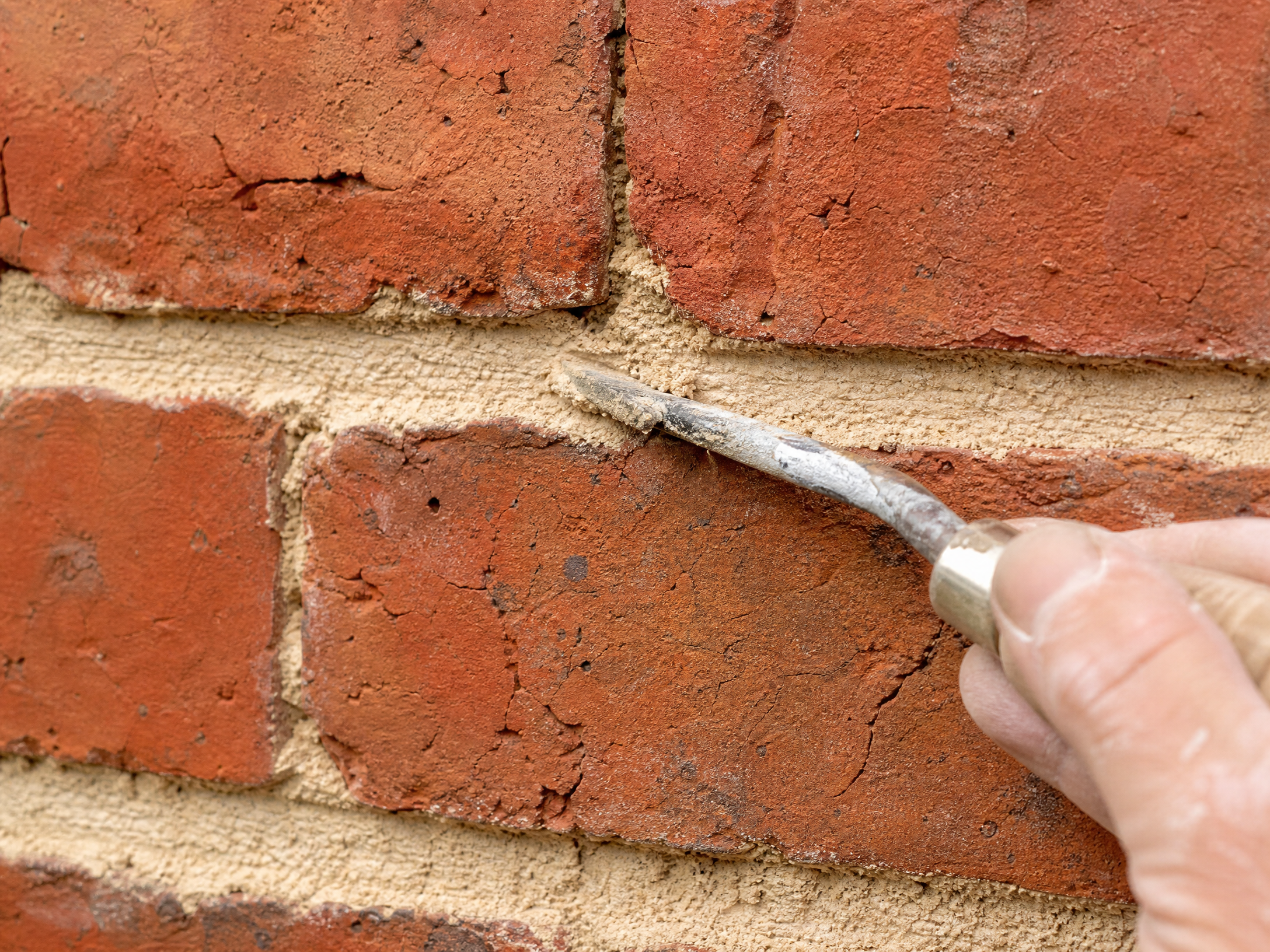
Our work is planned around retention of sound fabric, compatible replacement mortar, an appropriate finish and clear delivery sequencing. The agreed scope can include localised removal, joint preparation, repointing, local brick repair and sample panels where useful to the project team.
How the work is approached
The condition of joints and surrounding masonry helps determine where repair is appropriate and what information is needed before work is specified.
Lime, sands and aggregates are considered in relation to the existing fabric, exposure and required appearance.
Removal, preparation and application are planned to minimise avoidable disturbance to historic brick and stone.
Site records and practical project information are maintained in line with the defined masonry scope.
For project teams
Frequently asked questions
Where Listed Building Consent or formal heritage advice is required, the relevant local planning authority and appointed advisers should confirm the route forward.
Material choice depends on the individual building and its existing construction. A listed status alone is not a material specification, so the proposed repair should be assessed in context.
Mortar joints contribute to the appearance and weathering performance of a wall. The existing profile and the desired repair outcome should therefore be considered as part of the scope.
Trial panels can provide a practical way to review colour, texture and finish before wider work proceeds. They are most useful when the project team needs an agreed visual reference.
Related information
Read the commercial repointing page for protected buildings.
ExploreUnderstand the compatibility questions before specifying work.
ExplorePlan review, approval and site records for a useful sample.
ExploreView recorded lime mortar pointing and brick repair evidence from Chelford.
Explore