
Masonry care
Lime Mortar Versus Cement Pointing in Historic Masonry
A practical guide to lime mortar and cement pointing questions in historic masonry, covering compatibility, condition review, joint profile and appropriate repair scope.
The question is not simply whether lime or cement is better in the abstract. Historic masonry should be assessed as a construction system: the original mortar, brick or stone, joint condition, moisture exposure, previous repairs and intended outcome all matter.
This guide provides general project information. It is not legal, planning, structural-engineering or formal heritage-consultancy advice. Confirm project-specific requirements with the relevant authority and appointed advisers.
Why compatibility is a project question
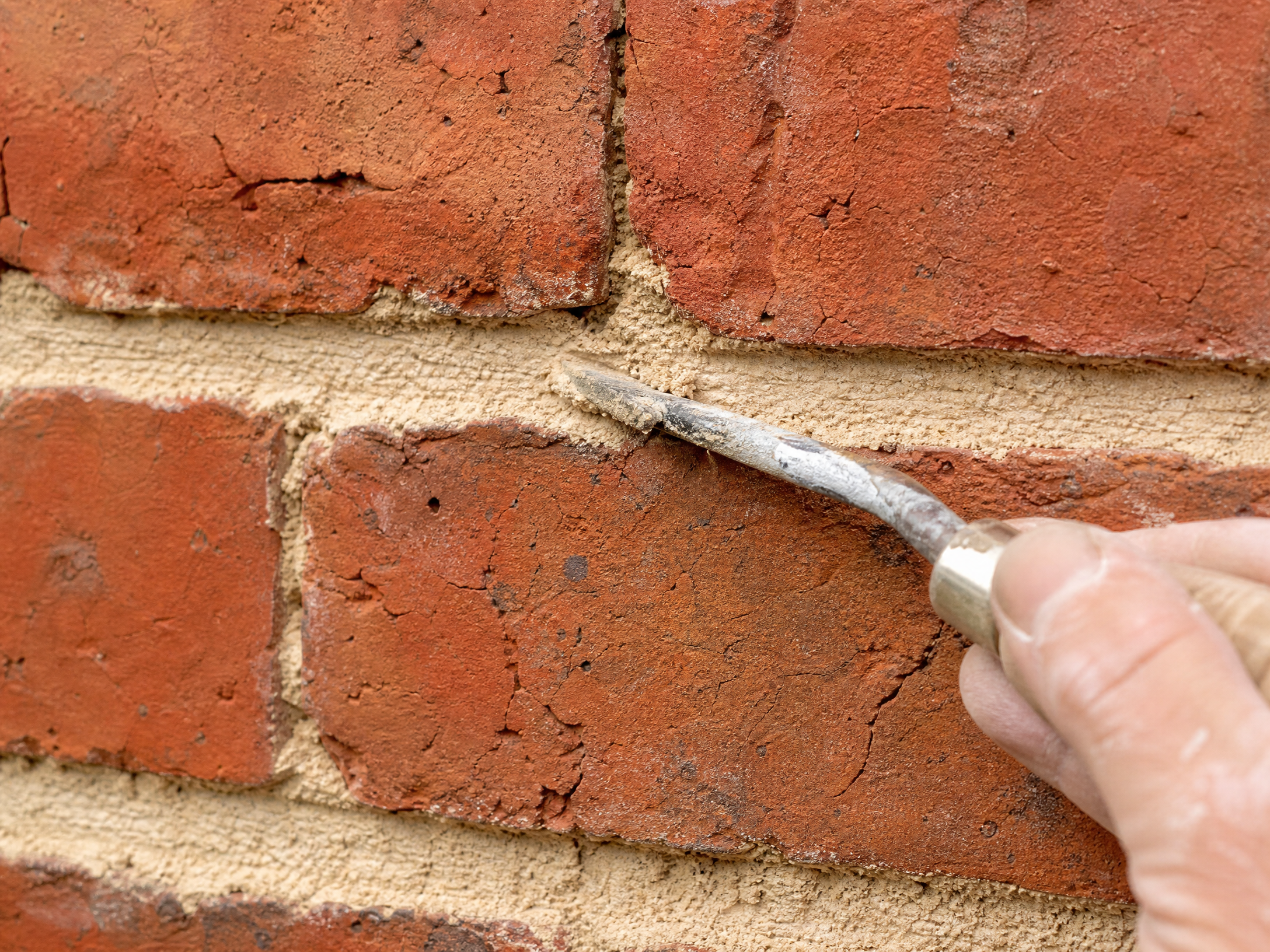
Mortar joints are part of the character and performance of historic brick and stone walls. Historic England notes that unsuitable repointing can affect both the appearance and durability of masonry.
A compatible repair response considers the existing construction and avoids treating mortar selection as an isolated purchasing decision.
- Existing mortar and joint profile
- The material and condition of the masonry units
- Exposure and local defects
- The visual and functional objective of the repair
What to assess before prescribing a replacement mortar
Look at which joints are genuinely failed, which mortar remains sound and whether adjacent brick or stone has been affected by earlier repairs. The aim is to define a proportionate scope rather than assume that every joint needs the same treatment.
Where a visual or material decision needs agreement, a sample panel can provide a useful point of review for the project team.
- Extent of localised failure
- Need for controlled removal
- Proposed colour, texture and joint finish
- Approval and documentation requirements
Avoid generic claims
A listed designation is not a complete technical specification. Likewise, the presence of cement mortar does not automatically determine the correct extent or method of removal. The appropriate decision comes from the condition of the particular building and the agreed repair objective.
For listed buildings, any consent questions should be confirmed with the relevant local planning authority before work starts.
Common questions
Points to clarify for your building.
Is lime mortar always the right answer for an old wall?
Material selection should follow an assessment of the existing construction, condition and repair objective. A historic building should not be treated with a one-size-fits-all specification.
Can sound mortar be left in place?
Historic England advises that sound historic mortar should generally be left undisturbed. The extent of any repair should respond to the condition of the wall.
Need to discuss a project-specific masonry scope?
Share the building, proposed work and project context. We can help identify the practical information needed for a useful initial discussion.
Related information