
Assess the existing joints
The extent of failure, previous repairs and surrounding fabric are reviewed before the scope assumes a uniform treatment across an elevation.
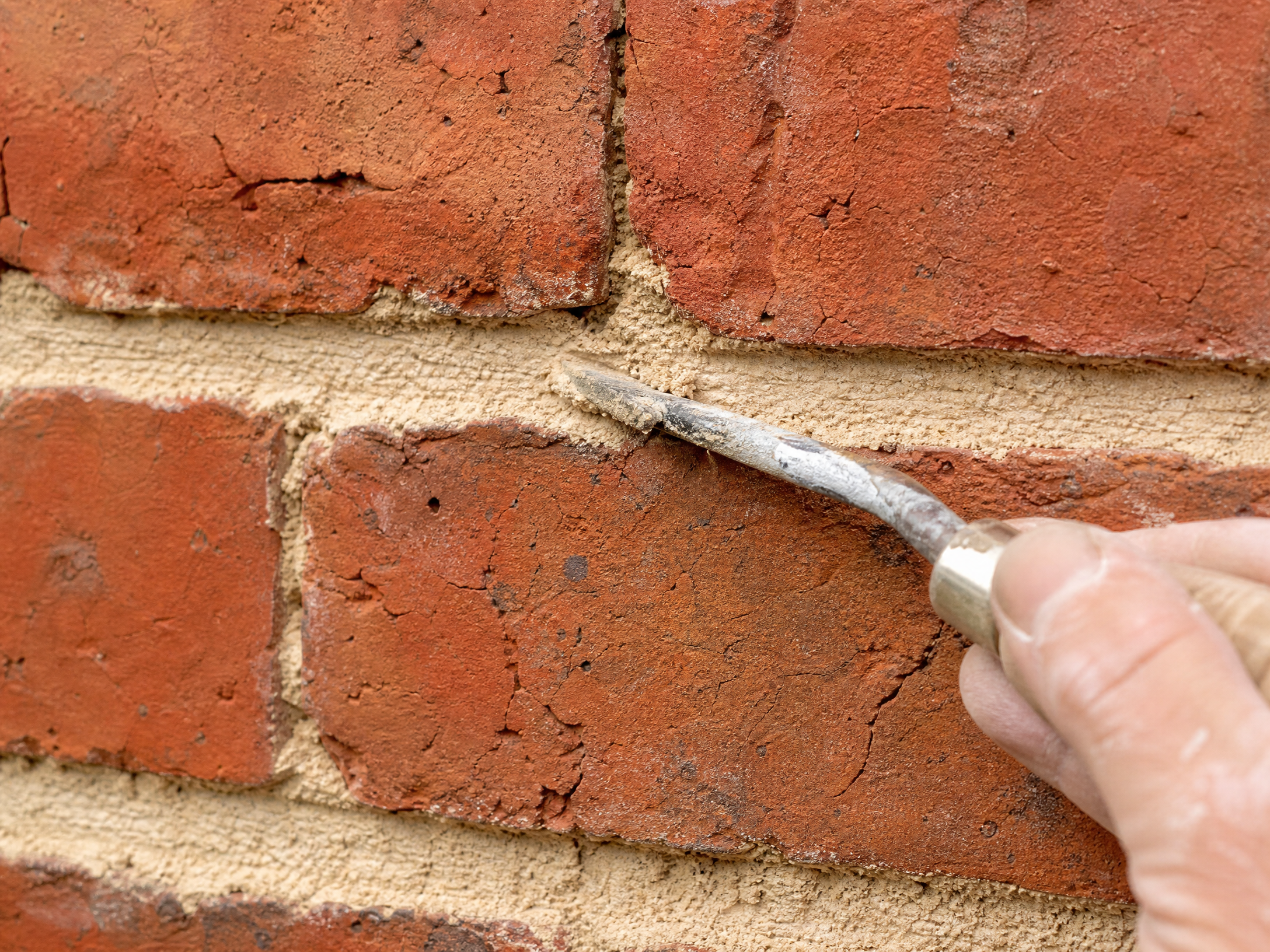
Traditional joint repair
Specialist lime pointing for listed and historic brickwork, with careful joint preparation, compatible lime mortar, appropriate finish and project-team coordination.
Discuss the proposed scopeLime pointing is often used as a shorthand for the visible repair of historic mortar joints. On a listed or older building, however, the appearance of the finished joint is only one part of the work. The existing mortar, depth of preparation, condition of the brickwork, joint profile and exposure of the elevation all help determine an appropriate approach.
Grade 2 Listed Pointing delivers defined lime pointing work for commercial and professional project teams. The work is planned to retain sound fabric, prepare failed joints carefully and apply a compatible mortar with a finish that responds to the character of the existing masonry and the agreed project scope.
How the work is approached
The extent of failure, previous repairs and surrounding fabric are reviewed before the scope assumes a uniform treatment across an elevation.
Joint preparation is planned around the condition of the masonry so that the repair work does not create unnecessary disturbance to adjacent historic brick or stone.
Joint profile, texture and finish are considered against the existing wall and can be reviewed through samples where the project team needs a shared reference.
Access, weather protection, local brick repair and curing requirements are planned as part of the defined masonry workstream.
For project teams
Frequently asked questions
Where Listed Building Consent or formal heritage advice is required, the relevant local planning authority and appointed advisers should confirm the route forward.
The terms are often used together. This page focuses on the practical joint-repair process and finished appearance; the lime mortar repointing page covers wider material compatibility and project-scope considerations.
Where the existing profile is understood and suitable to retain, it can inform the repair finish. The appropriate profile should be assessed in relation to the particular elevation and agreed project outcome.
Not every scope needs a sample. It can be helpful when the team needs to review mortar character, joint profile or workmanship before wider work proceeds.
Preparation should respond to the condition of the individual joint and adjacent masonry. The aim is to remove only the failed or unsuitable material required by the agreed scope, clean the joint appropriately and avoid avoidable disturbance to sound historic fabric.
Curing conditions, weather exposure and protection can affect the finished work. The practical approach should be considered in the programme and site setup so that fresh mortar is managed in line with the agreed repair process.
Yes, where the building, access and project programme make a phased approach appropriate. Each phase should retain a clear material reference, agreed joint finish and review process so that the work remains consistent across the defined scope.
Related information