
Investigate the condition
We review mortar, joints and adjacent brick or stone to understand the repair issue and avoid treating the whole wall as a single condition.
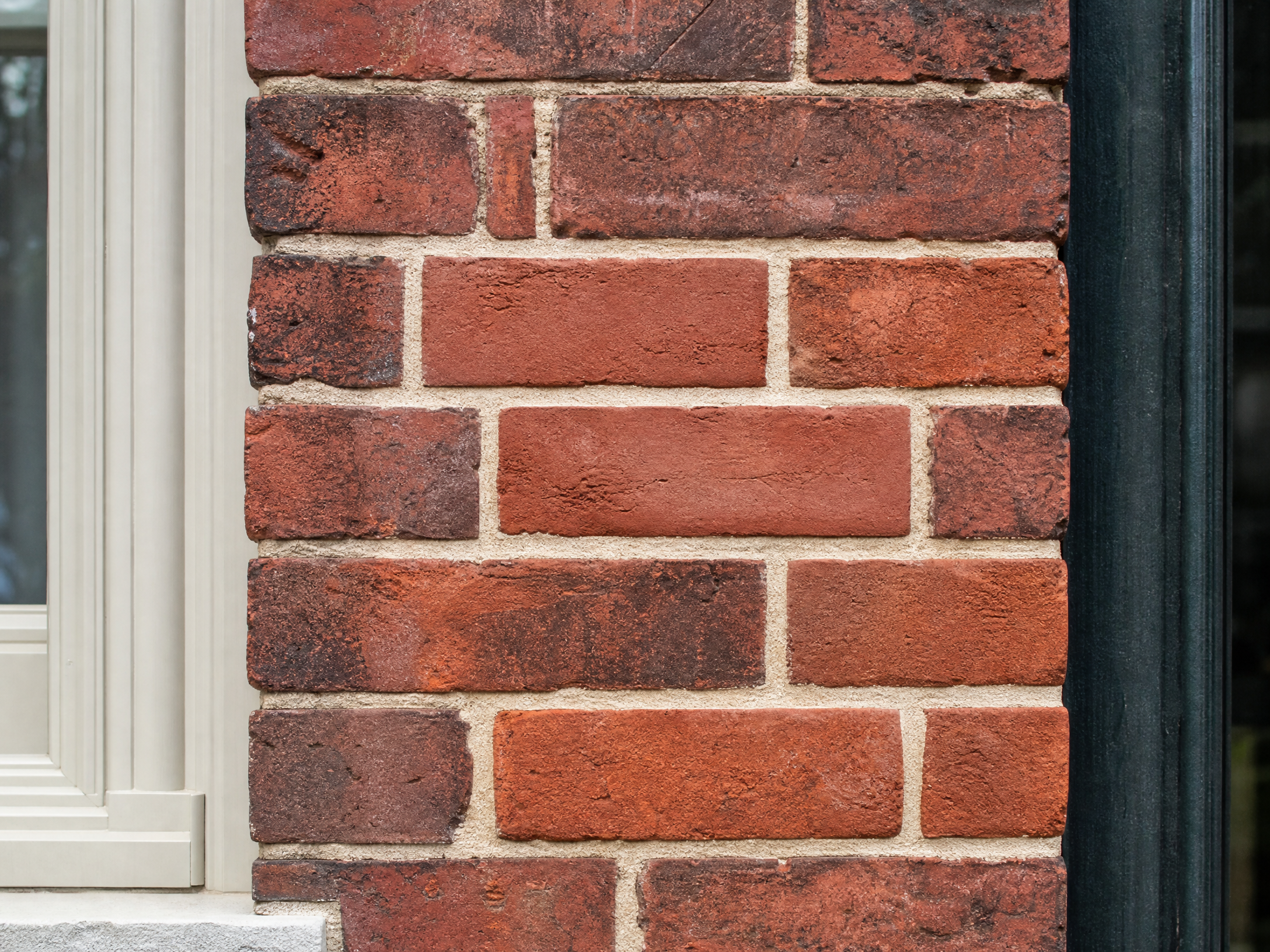
Condition-led masonry repair
A careful, repair-led approach to reviewing and removing unsuitable or failed cement pointing on listed and historic masonry, with attention to existing fabric and compatible replacement mortar.
Discuss the proposed scopeHard or visually intrusive pointing can raise valid questions on a listed or historic building, but the appropriate response should not be assumed from appearance alone. The existing masonry, the joint condition, the extent of previous repair and the risk of disturbance all need to be considered before removal is specified.
Grade 2 Listed Pointing approaches cement-pointing removal as part of a wider repair decision. The objective is to identify what needs attention, retain sound historic fabric where possible and sequence any removal and replacement work in a controlled way.
How the work is approached
We review mortar, joints and adjacent brick or stone to understand the repair issue and avoid treating the whole wall as a single condition.
Not every historic wall has the same construction history. The scope should respond to the particular material, previous intervention and repair objective.
Where removal is agreed, access, local repair, joint preparation and replacement mortar are planned as related stages.
If the proposal may affect protected fabric or appearance, the project team should confirm the appropriate approval route before work begins.
For project teams
Frequently asked questions
The page offers practical contractor context, not legal, planning or formal heritage-consultancy advice.
No single answer applies to every building. Removal can itself disturb historic fabric, so the decision should follow an assessment of the masonry, the condition of the joints and the agreed project objective.
Unsuitable repointing can affect the appearance and durability of historic masonry. The precise risk and repair response depend on the particular wall, mortar and surrounding fabric.
The replacement approach should be compatible with the existing construction and approved project requirements. Mortar selection and finish should be assessed rather than prescribed generically.
Related information