
Grade I
Exceptional interest
Grade I is reserved for buildings of exceptional interest. Projects usually need detailed, conservation-led proposals, early engagement with the local planning authority, and careful coordination among specialists.
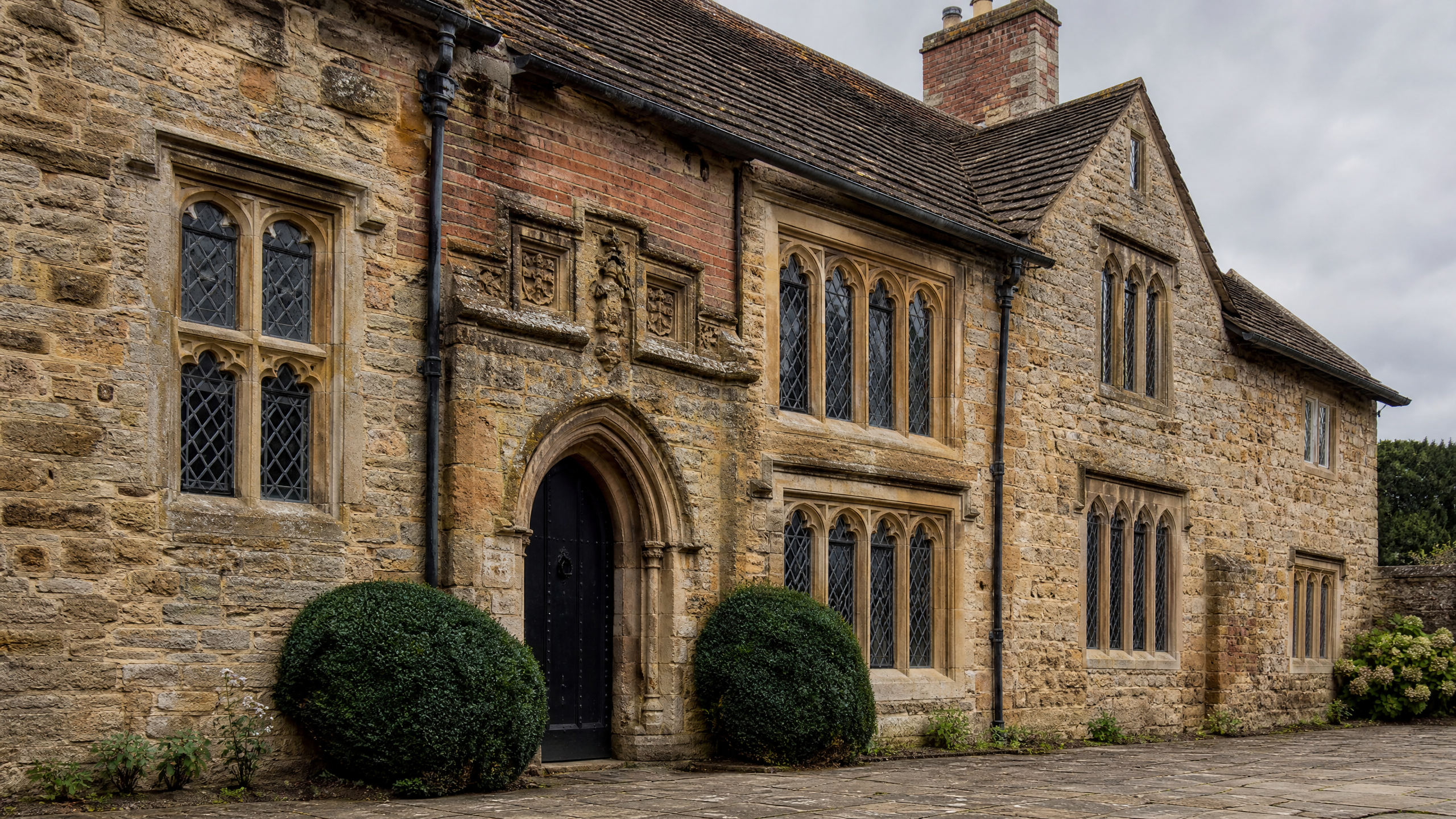
A practical guide for project teams
A clear introduction to Grade I, Grade II* and Grade II listed buildings in England — and what the grades can mean for restoration, consent and procurement planning.
In England, a listed building is a building of special architectural or historic interest that has legal protection. The National Heritage List for England records each entry, and listing can apply to many kinds of places — from houses and mills to shops, bridges and garden structures. [1]
The grade indicates relative significance. It is not a simple scale of how difficult a project will be: a Grade II building can still contain highly sensitive fabric, while any alteration that affects a listed building's special interest may require Listed Building Consent. The building, not just the portion named in the entry, is normally protected; attached fixtures and some pre-1948 structures within its curtilage may also be covered. [1] [2]
The three grades
Historic England classifies listed buildings in three grades. The proportions below are national figures for England, not an indication of the importance of a particular project. [1]
Grade I
Exceptional interest
Grade I is reserved for buildings of exceptional interest. Projects usually need detailed, conservation-led proposals, early engagement with the local planning authority, and careful coordination among specialists.
Grade II*
Particularly important
Grade II* covers particularly important buildings of more than special interest. Work should be planned with particular attention to the building's special fabric, setting, and historically significant features.
Grade II
Special interest
Grade II is the most common category and covers buildings of special interest. The grade does not mean that consent is unnecessary: any proposed work that affects significance should be discussed with the local planning authority.
Planning restoration work
The grade is an important starting point, but it is only one part of the picture. A successful restoration scope considers the individual list entry, original building fabric, later alterations, setting, and the specific effect of proposed work. That is why a condition survey and a conservation-led method statement should precede major repair or cleaning decisions.
If you want to alter or extend a listed building in a way that affects its character or appearance as a building of special architectural or historic interest, you must first apply for Listed Building Consent from the local planning authority. Historic England advises speaking to the authority's conservation officer at an early stage to understand whether consent is likely to be needed and what approach may be acceptable. [3]
This is particularly relevant to masonry projects. Repointing, brick replacement, façade cleaning, chimney repairs and partial rebuilding can each affect significance where historic fabric, finish, colour or joint profile is involved. The appropriate approach depends on the building and should be agreed before work starts. For a commercial workstream, see our Grade II listed building repointing guidance.
We support commercial clients, architects and property managers with carefully specified masonry conservation work. Our team can help define an appropriate repair approach, prepare practical method statements, produce trial panels, and coordinate delivery with the project team and conservation officer.
Explore a repair-led pointing approach for listed masonry, compatible materials and project-team coordination.
See how surveys, material selection, sample panels and documented handover work together.
Search the National Heritage List for England by postcode or keyword.
This guide is general information for buildings in England and is not planning, legal or heritage-consultancy advice. Consent requirements depend on the individual building and proposed works; always confirm them with the relevant local planning authority.
Discuss the masonry scope, materials and conservation considerations with our specialist team.
Discuss Your Project