
Masonry care
Repair Versus Replacement in Historic Brick and Stone
A repair-led framework for historic brick and stone, covering condition, retention, localised intervention, matching and project-team review.
The decision to repair or replace historic brick and stone should be made from condition evidence and the significance of the existing fabric. A uniform new appearance is rarely the objective; the aim is an appropriate, durable intervention that retains character where possible.
This guide provides general project information. It is not legal, planning, structural-engineering or formal heritage-consultancy advice. Confirm project-specific requirements with the relevant authority and appointed advisers.
Why retention starts the discussion
Existing materials often carry evidence of age, craft and previous change. Retaining sound fabric can protect that character while keeping the intervention focused on the places that need attention.
A repair-led approach does not mean ignoring serious loss or instability. It means distinguishing between what can remain, what can be repaired and what needs a separately justified replacement.
- Soundness of the existing unit
- Extent and cause of deterioration
- Contribution to character and appearance
- Effect of proposed work on adjacent fabric
When localised replacement may be considered
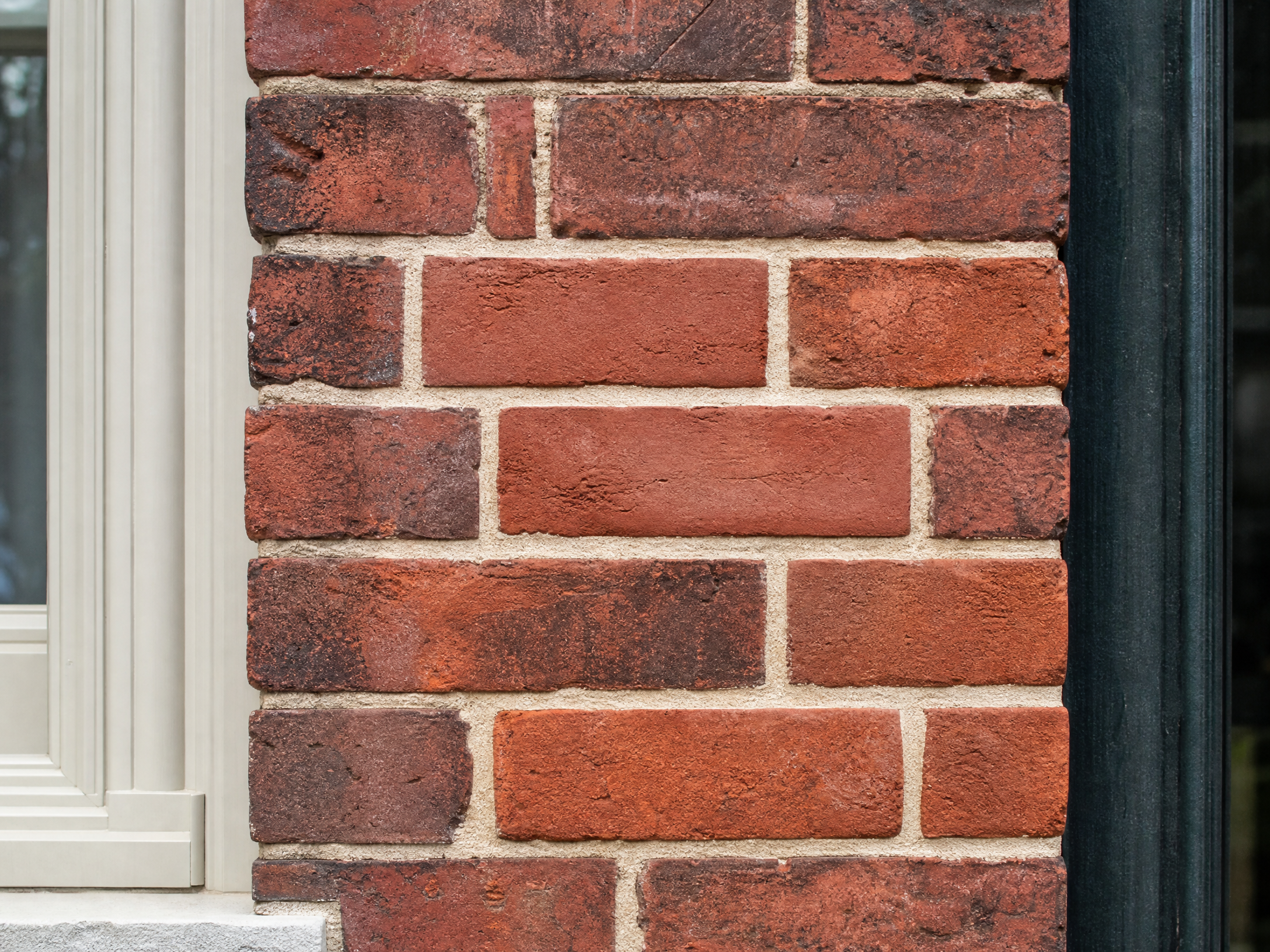
Some units may be too deteriorated or damaged to fulfil their role. Where replacement is considered, dimensions, material, colour, texture, finish and bedding detail should be reviewed against the existing elevation.
Samples and retained comparison areas can help the team assess whether proposed new material sits appropriately with the historic fabric.
- Proposed replacement extent
- Matching and visual review
- Local mortar and joint profile
- Consent and design approval context
Plan alongside related masonry work
Brick and stone decisions are affected by repointing, cleaning, rainwater management and structural issues. Treating each item in isolation can produce a fragmented result.
A coordinated workstream gives the project team a clearer sequence for repair, materials, samples and handover records.
Common questions
Points to clarify for your building.
Does repair always cost less than replacement?
Cost is only one factor. The decision should consider condition, significance, access, matching requirements and the overall project objective.
Can a repair be visually obvious?
The intended appearance should be agreed in context. Some repairs may be designed to blend carefully; the appropriate finish depends on the building and approval requirements.
Need to discuss a project-specific masonry scope?
Share the building, proposed work and project context. We can help identify the practical information needed for a useful initial discussion.